

OUR HISTORY
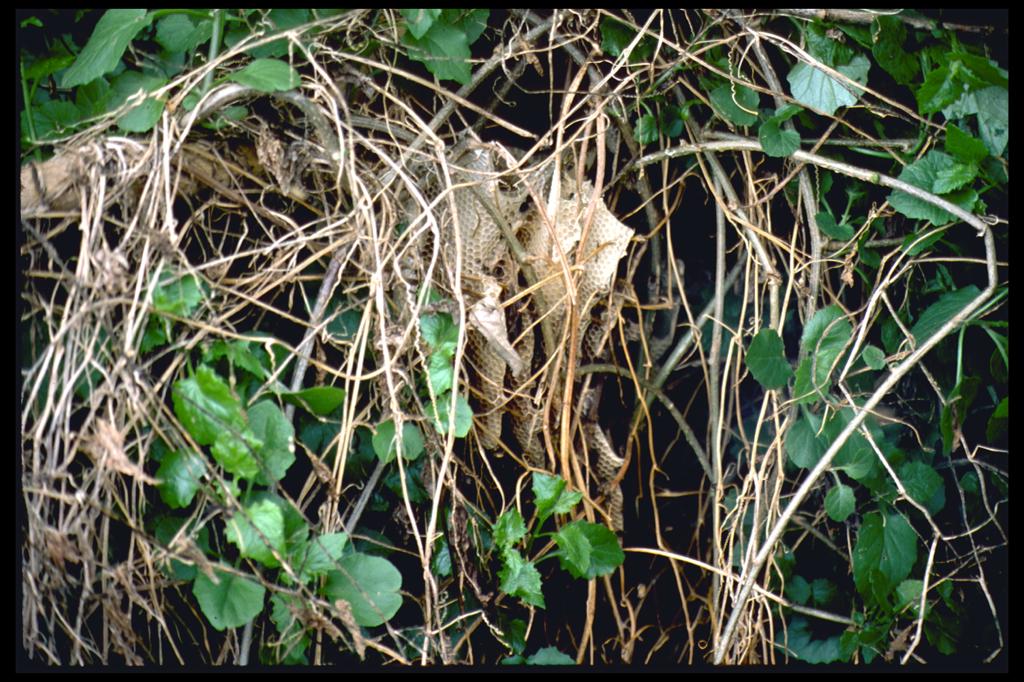
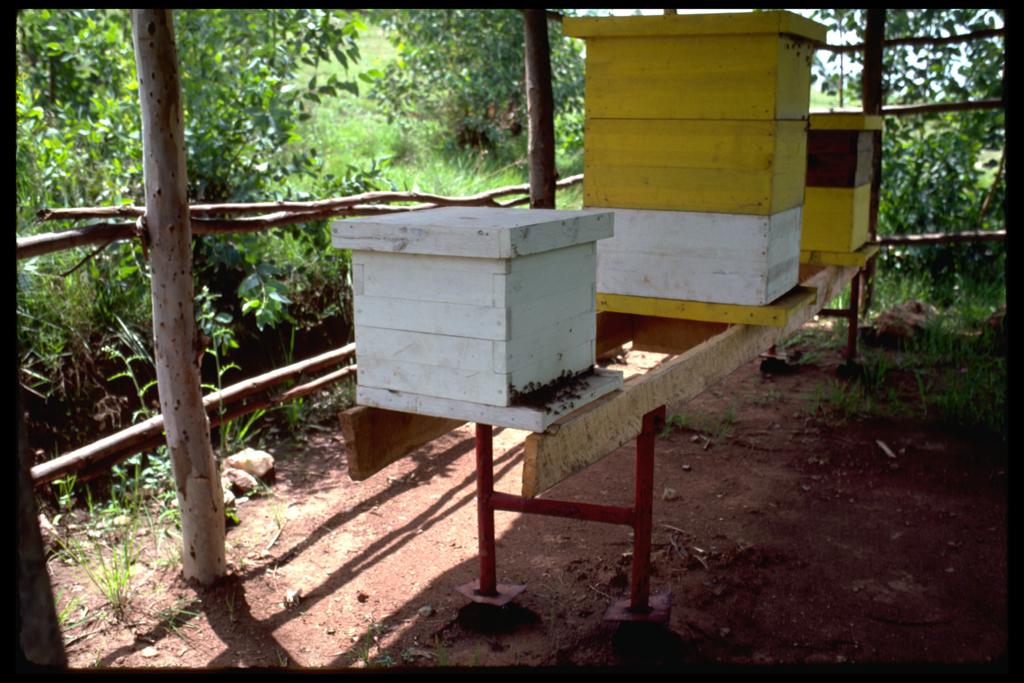
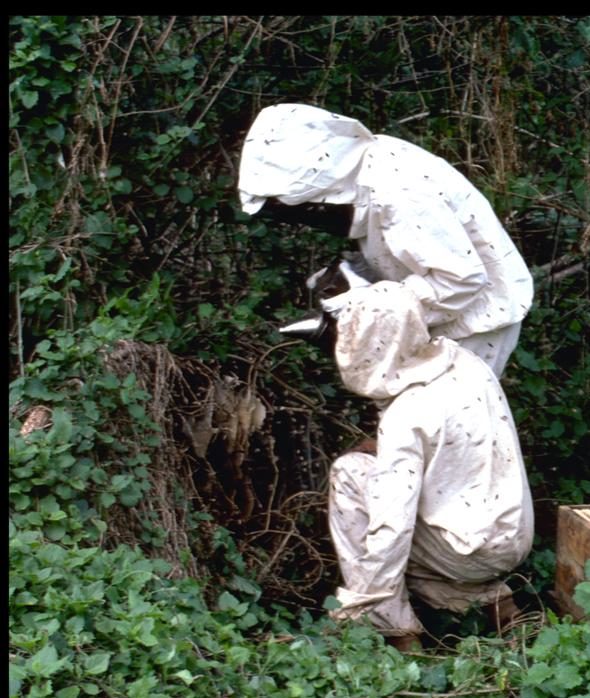
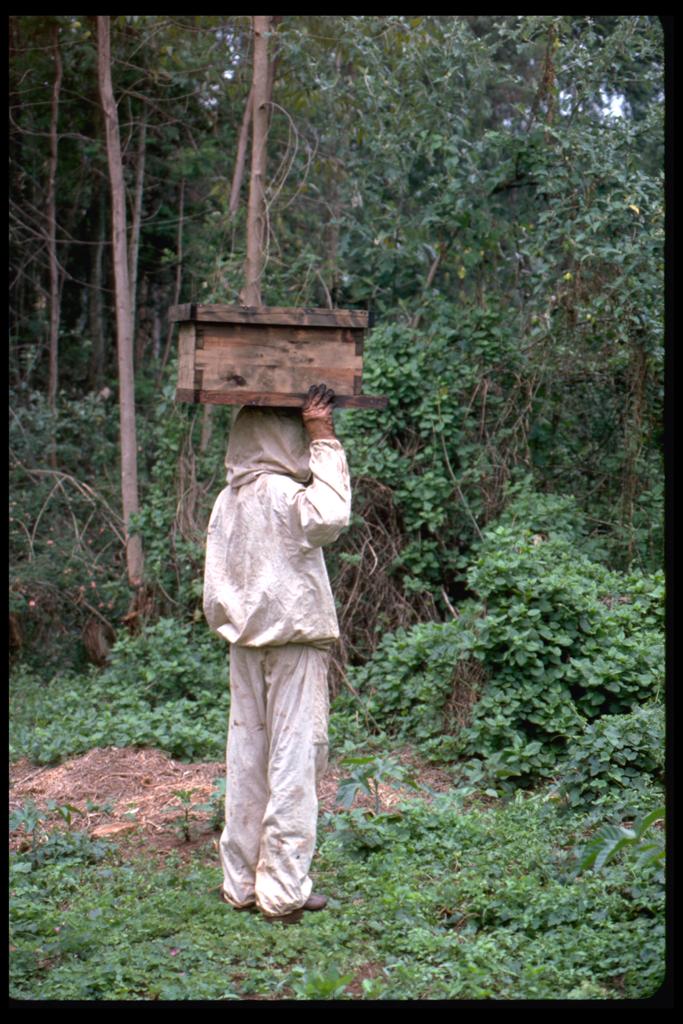
In 1980 and 1981, after studying the African bees of Rwanda in deep forest, in their environment, Prof. Roch Domerego developed a hive which corresponded to their biotope. It made it possible to multiply by 17 the production of honey. Out of 60 pilot hives distributed in 4 apiaries around the village of Mbazi, an average of 34 kg per year and per hive was harvested. Traditional hives made of straw or banana leaves or even unsuitable modern hives, for example of the 10-frame langstroth type (a copy of that used in Europe), produced on average 2 kg to 5 kg per hive and per year.
The quantities announced were much higher but the actual and verified production averages were very low and corresponded to these values.
The quantity of production was an important element and certainly the first one, but many other parameters turned out to be extremely positive. The second and not the least was the quality of the honey harvested.A clear, limpid and tasty honey that matched international demand.It was very different from the one found in local markets.
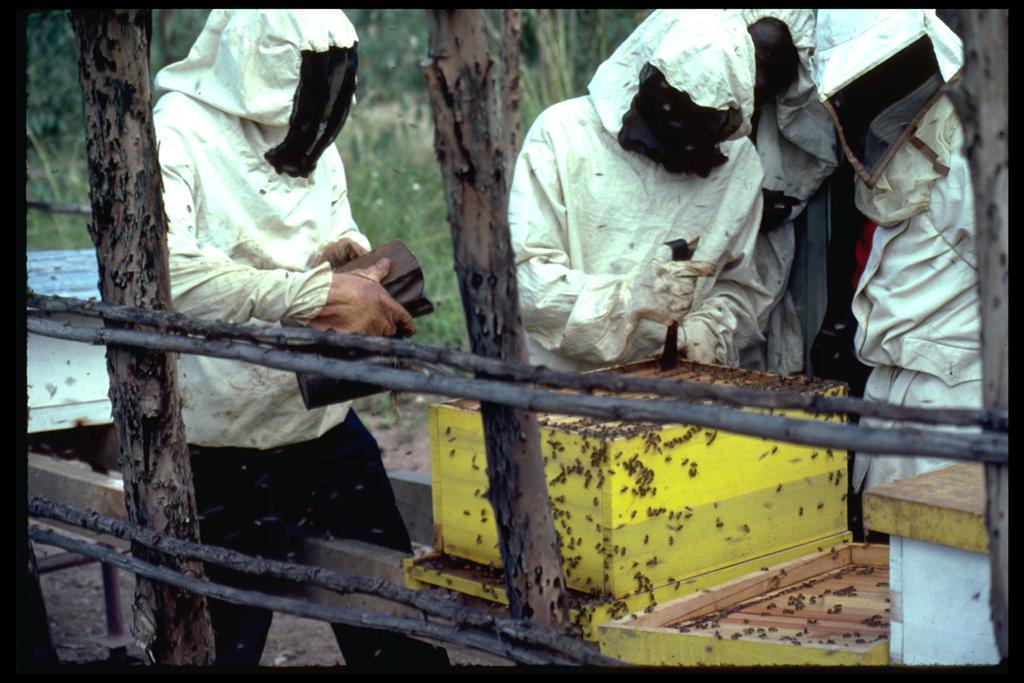
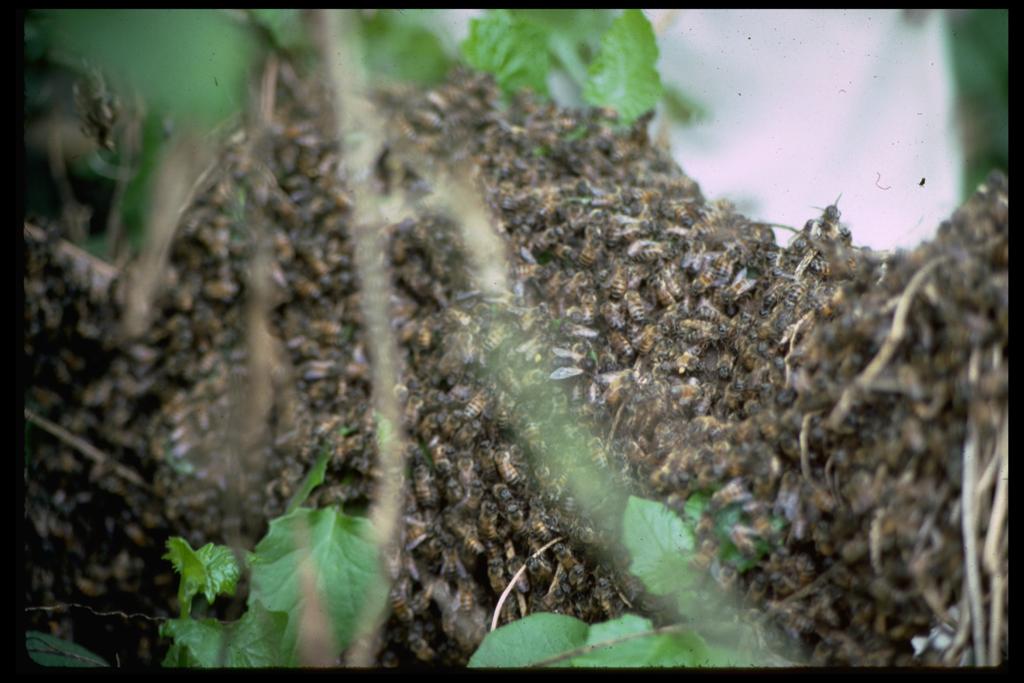
It also appeared that changes in beekeeping criteria such as the time to visit the hives, the understanding of their biological functioning, their specific subspecies, their relations with plants, the embossing of the waxes used and especially the harmony of their lives inside this hive were essential. These very differentiated elements resulted in a gentle beekeeping in harmony with this native bee, which is far from the known clichés of the African bee, a real fear for some.
The quantities announced were much higher but the actual and verified production averages were very low and corresponded to these values.
The quantity of production was an important element and certainly the first one, but many other parameters turned out to be extremely positive. The second and not the least was the quality of the honey harvested.A clear, limpid and tasty honey that matched international demand.It was very different from the one found in local markets.
It also appeared that changes in beekeeping criteria such as the time to visit the hives, the understanding of their biological functioning, their specific subspecies, their relations with plants, the embossing of the waxes used and especially the harmony of their lives inside this hive were essential. These very differentiated elements resulted in a gentle beekeeping in harmony with this native bee, which is far from the known clichés of the African bee, a real fear for some.
UWANYIRIGIRA CLARISSE
SECRETARY ACCOUNTANT

IYAMUREMYE DEO
APICULTURAL DIRECTOR
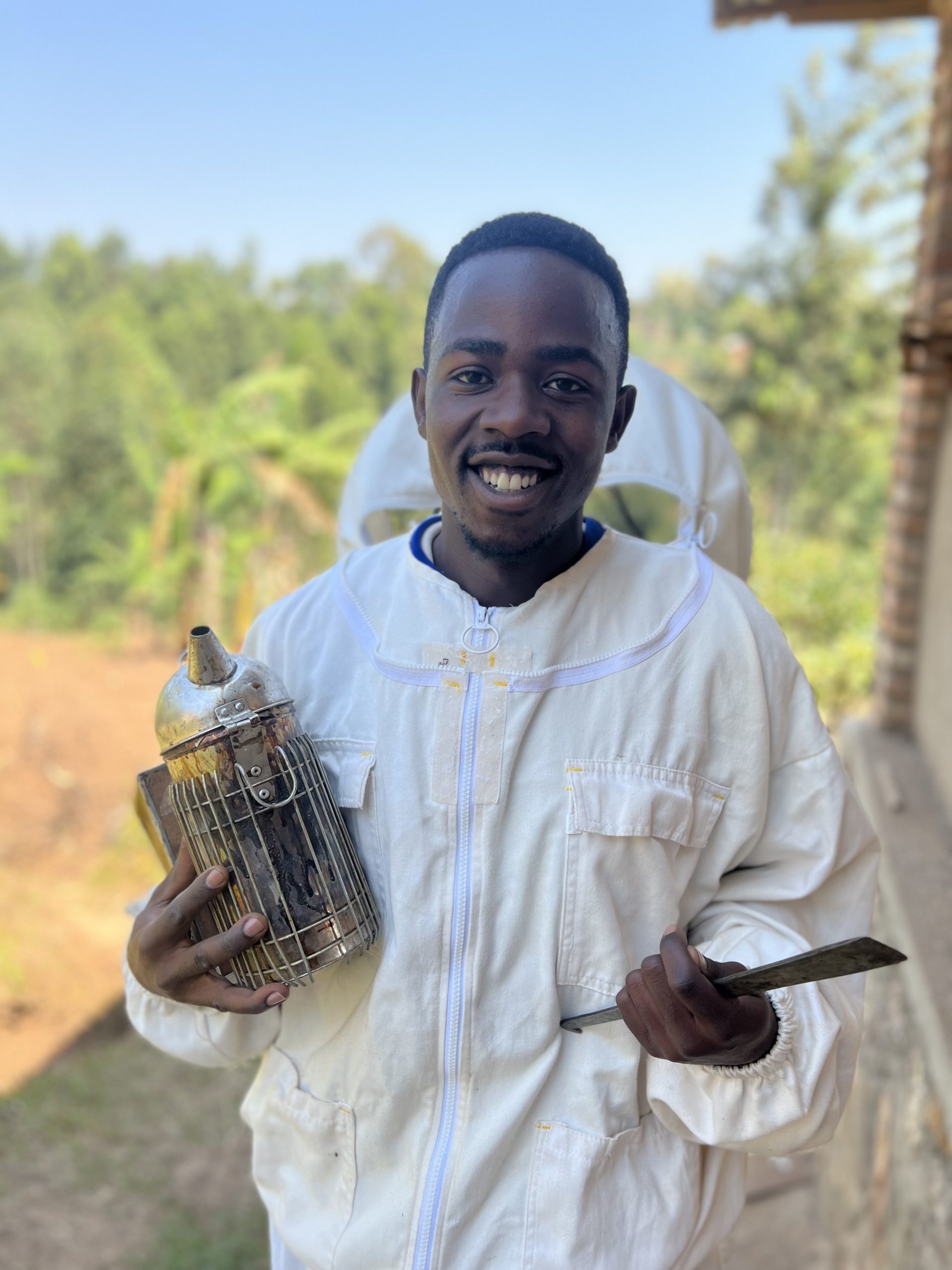
TWIRINGIYIMANA EUGENE
BEEKEEPER

MUHORAKEYE JULIETTE
BEEKEEPER

MUKANYANDWI ILLUMINE
BEEKEEPER
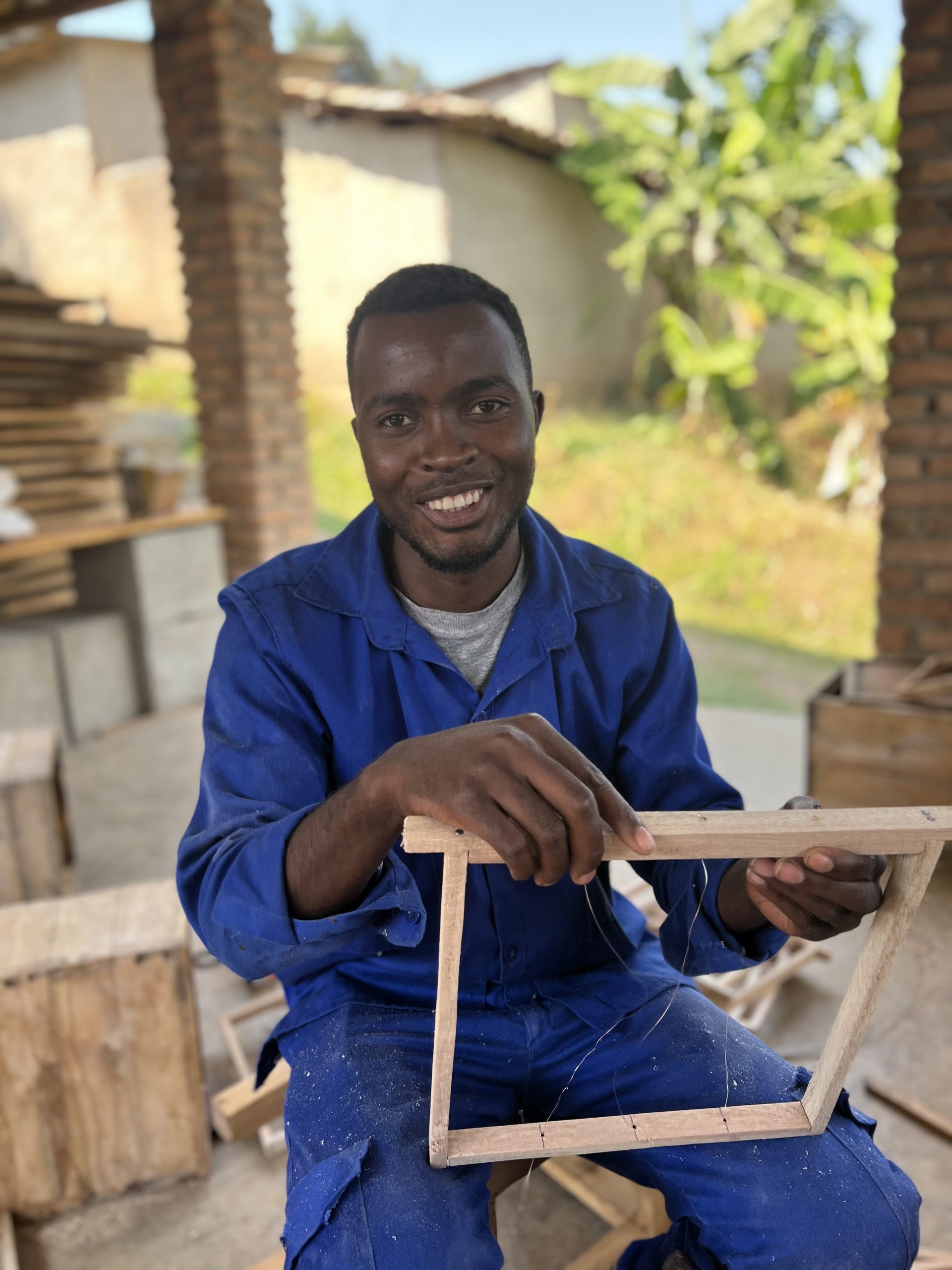
HABIMANA JEAN MARIE
BEEKEEPER
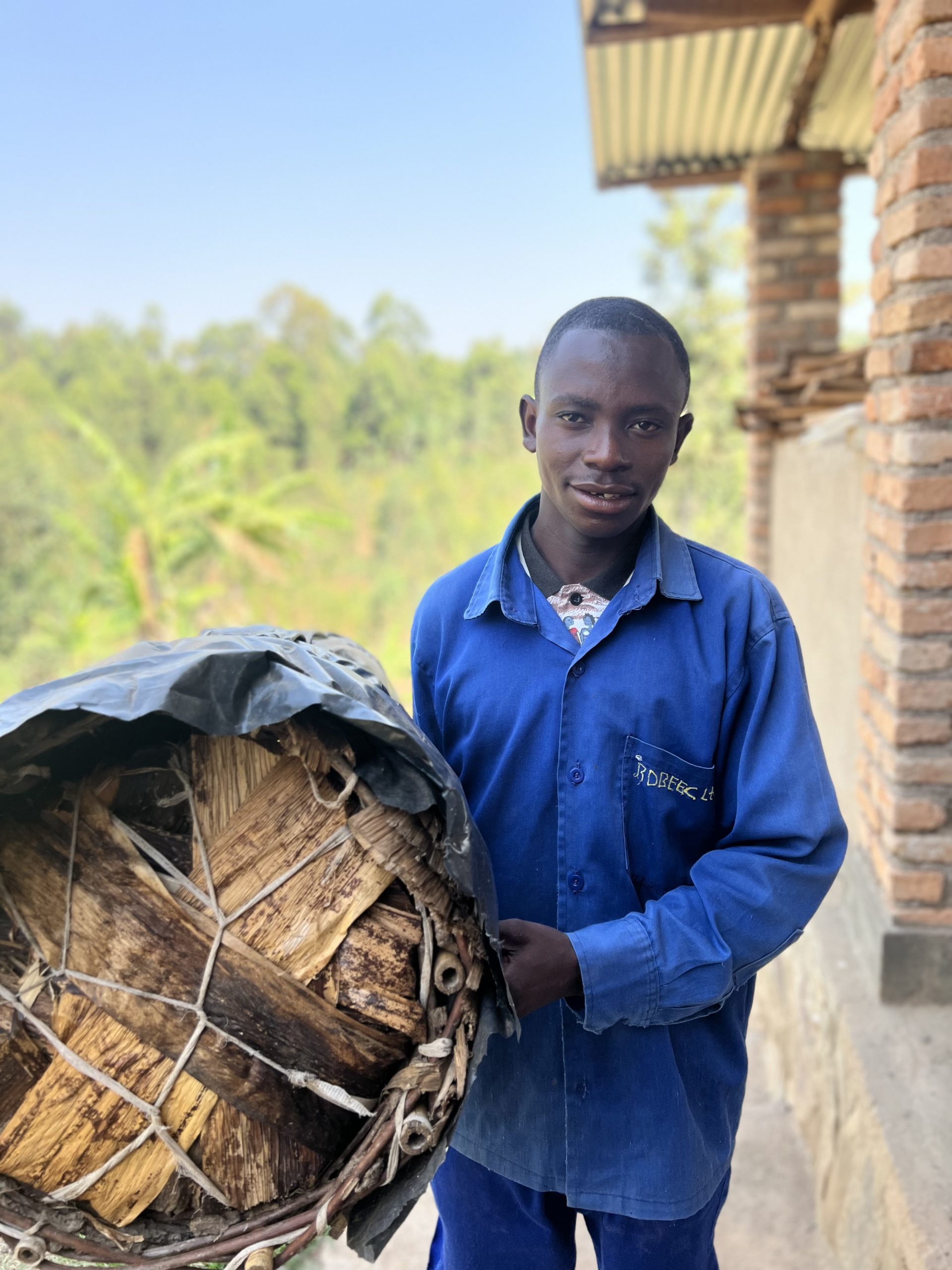
MANIRAHO EMMANUEL
BEEKEEPER

SIBOMANA MARIETTE
BEEKEEPER
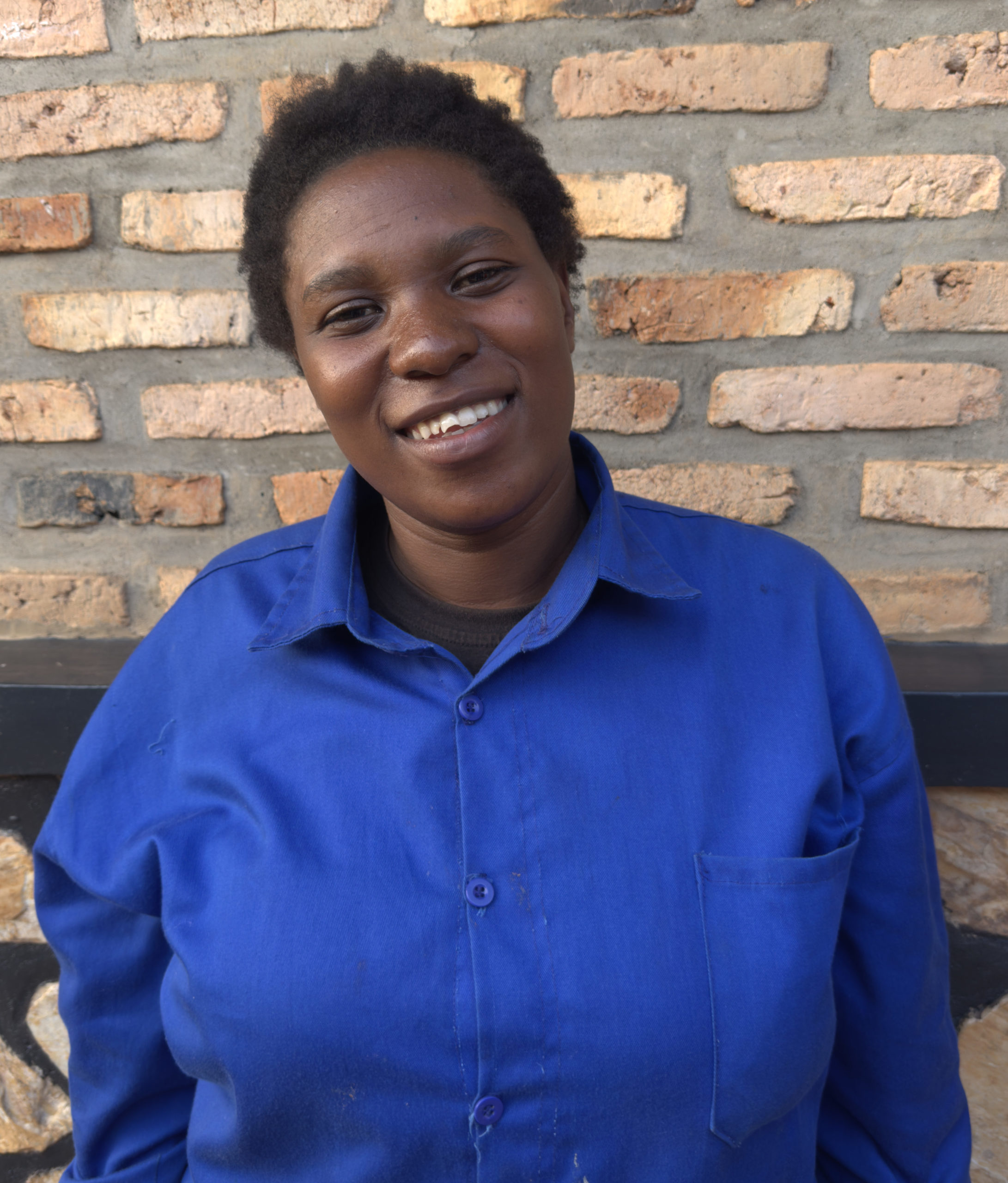
YANKURIJE MARIE DANIELLA
BEEKEEPER
DUKUZUMUREMYI EMMANUEL
DRIVER | BEEKEEPER
NSHIMIYIMANA EUGENE
CHIEF CARPENTER
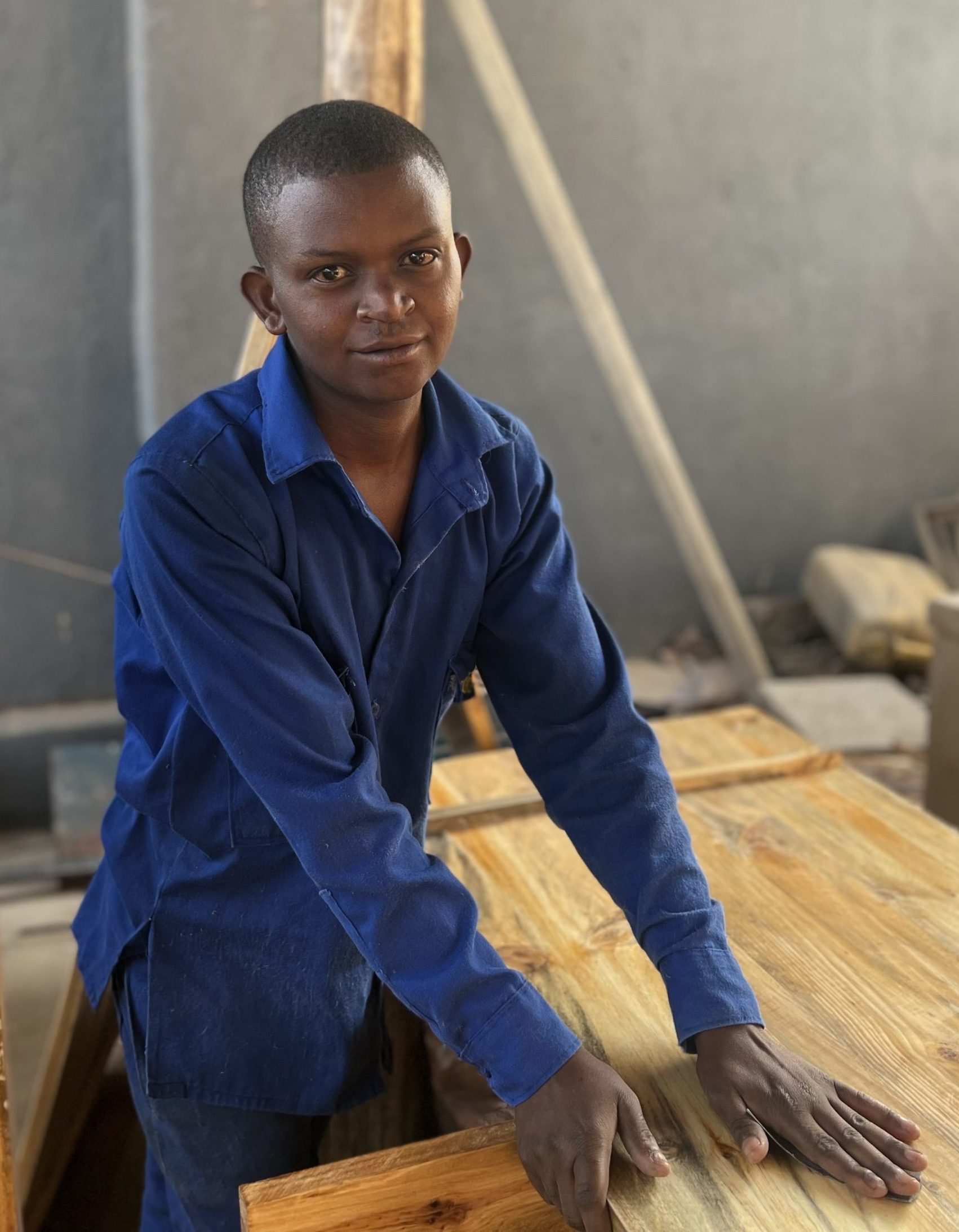
NIYONZIMA THEOPHILE
CARPENTER
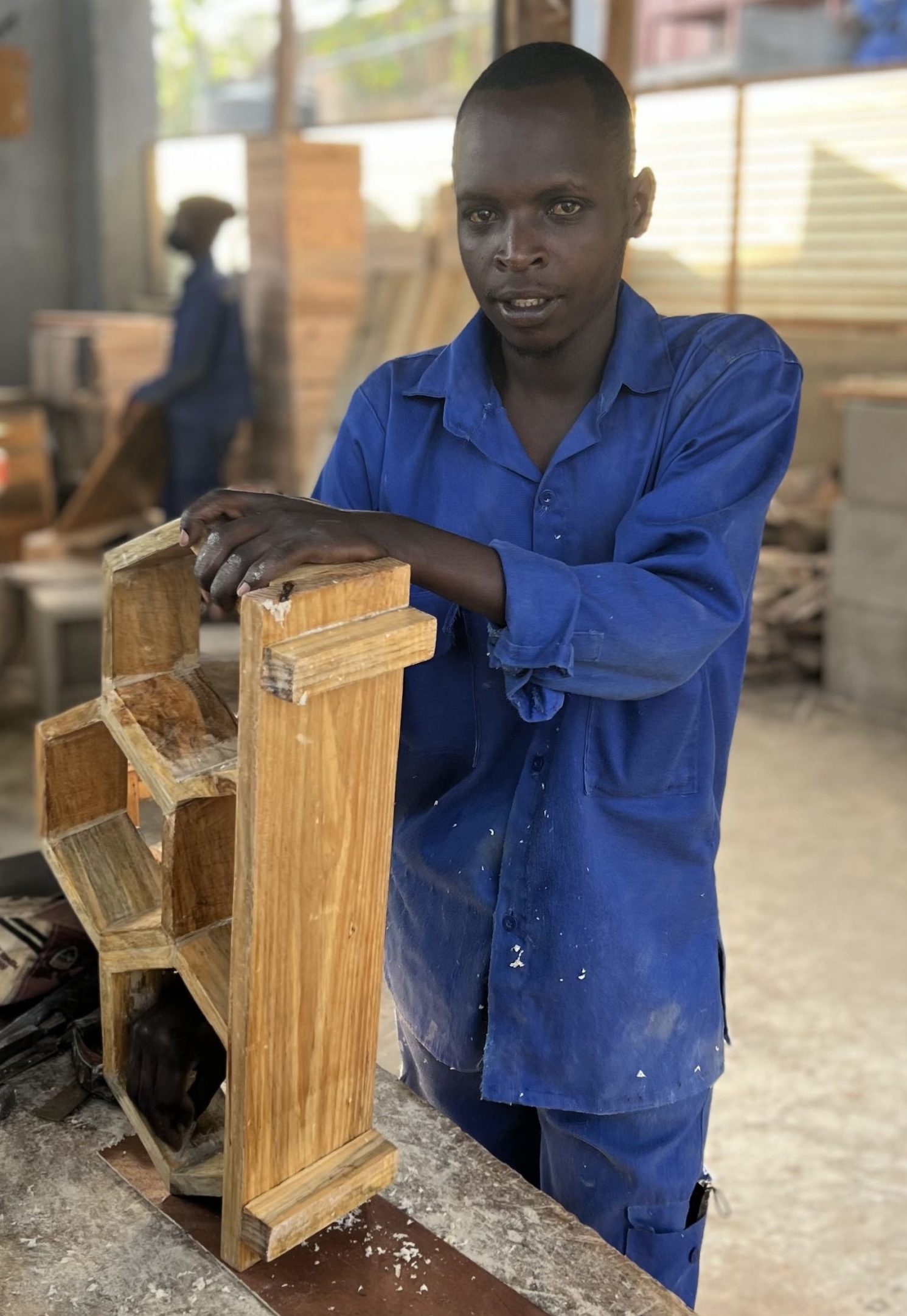
KWIZERA CALLIXTE
CARPENTER
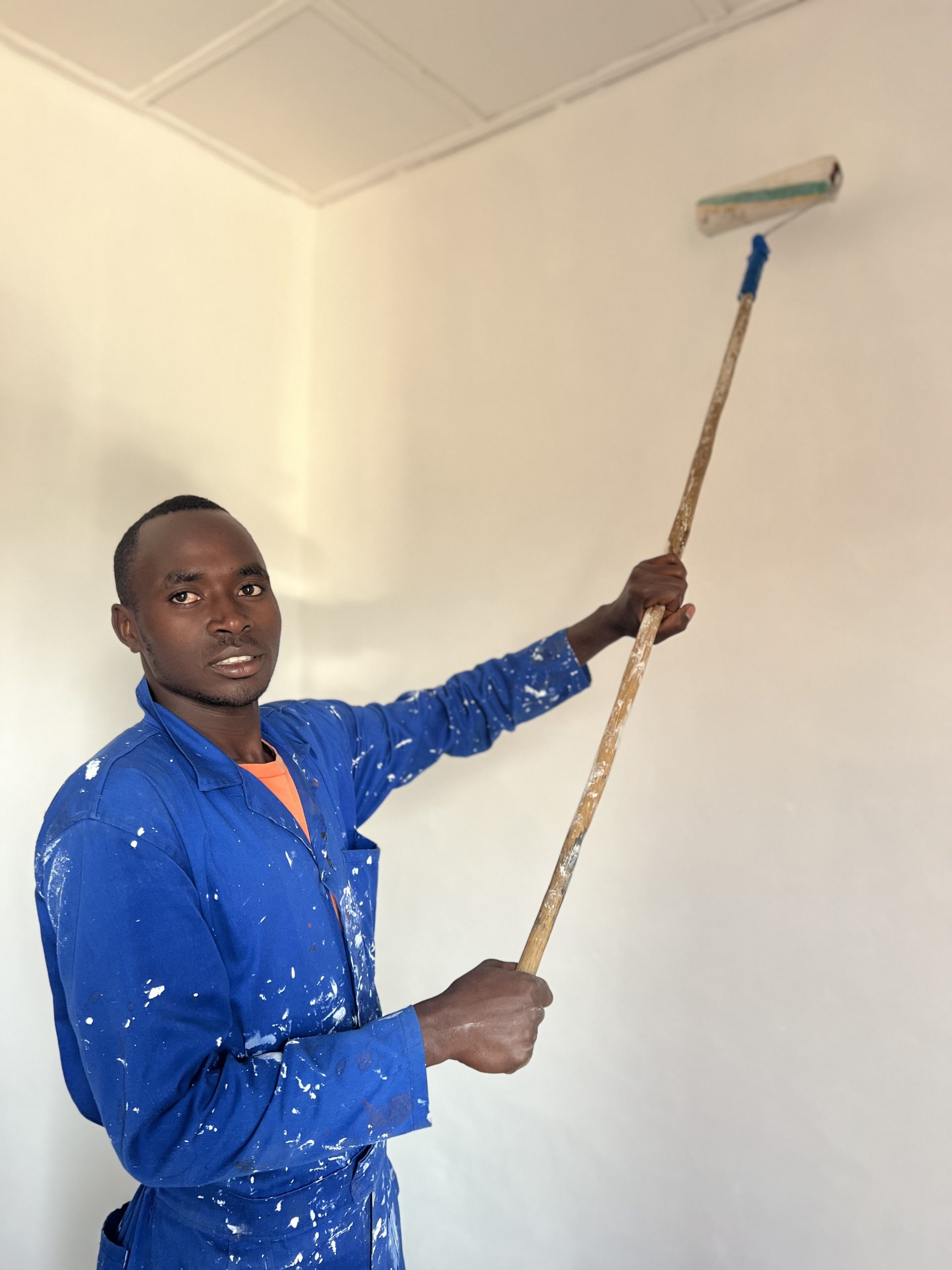
HAKIZIMANA VINCENT
FACTOTUM

NDAYISENGA JANVIER
DRIVER | CHIF GARDENER
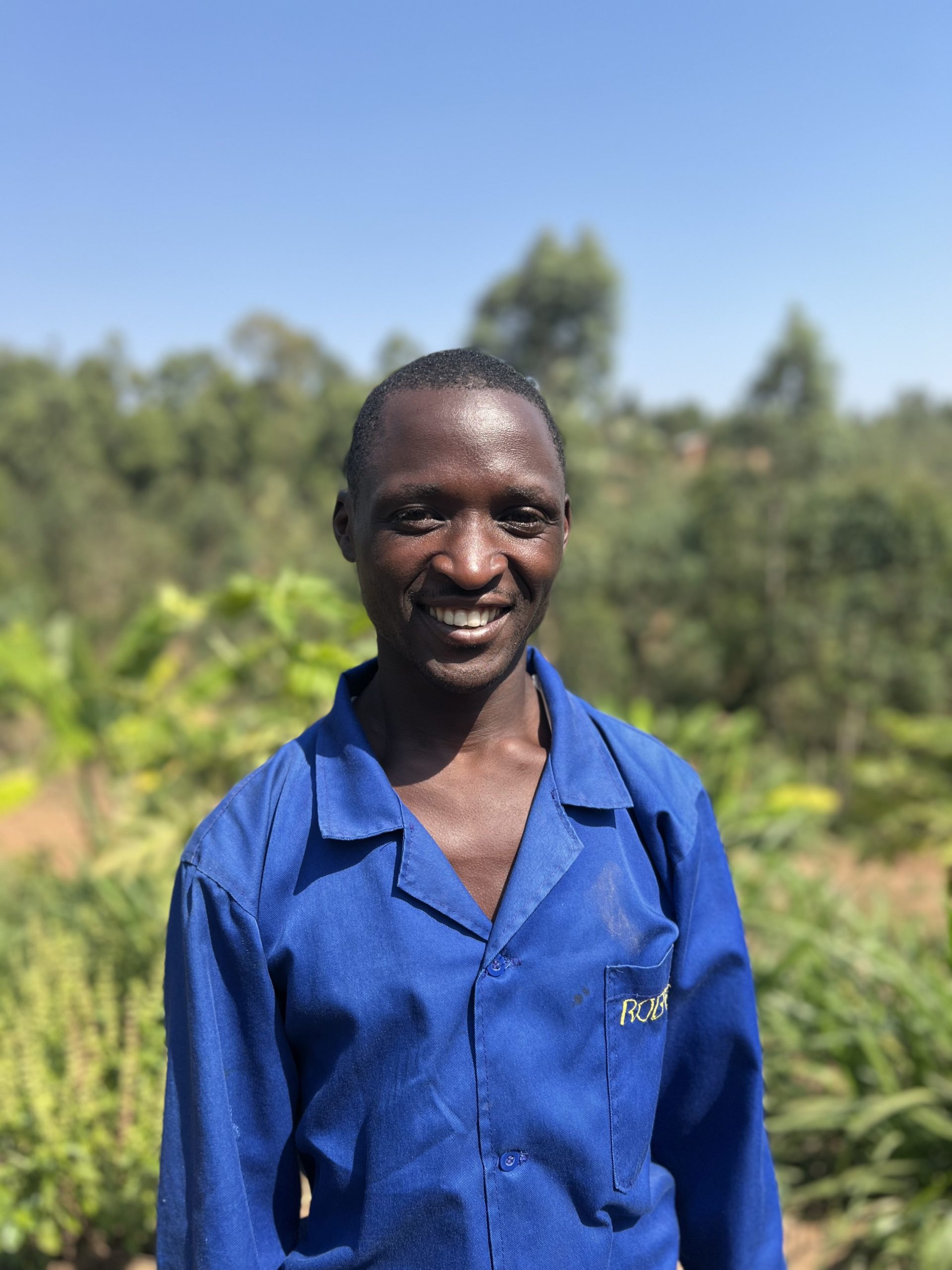
RUKUNDO JEAN DE DIEU
GARDENER
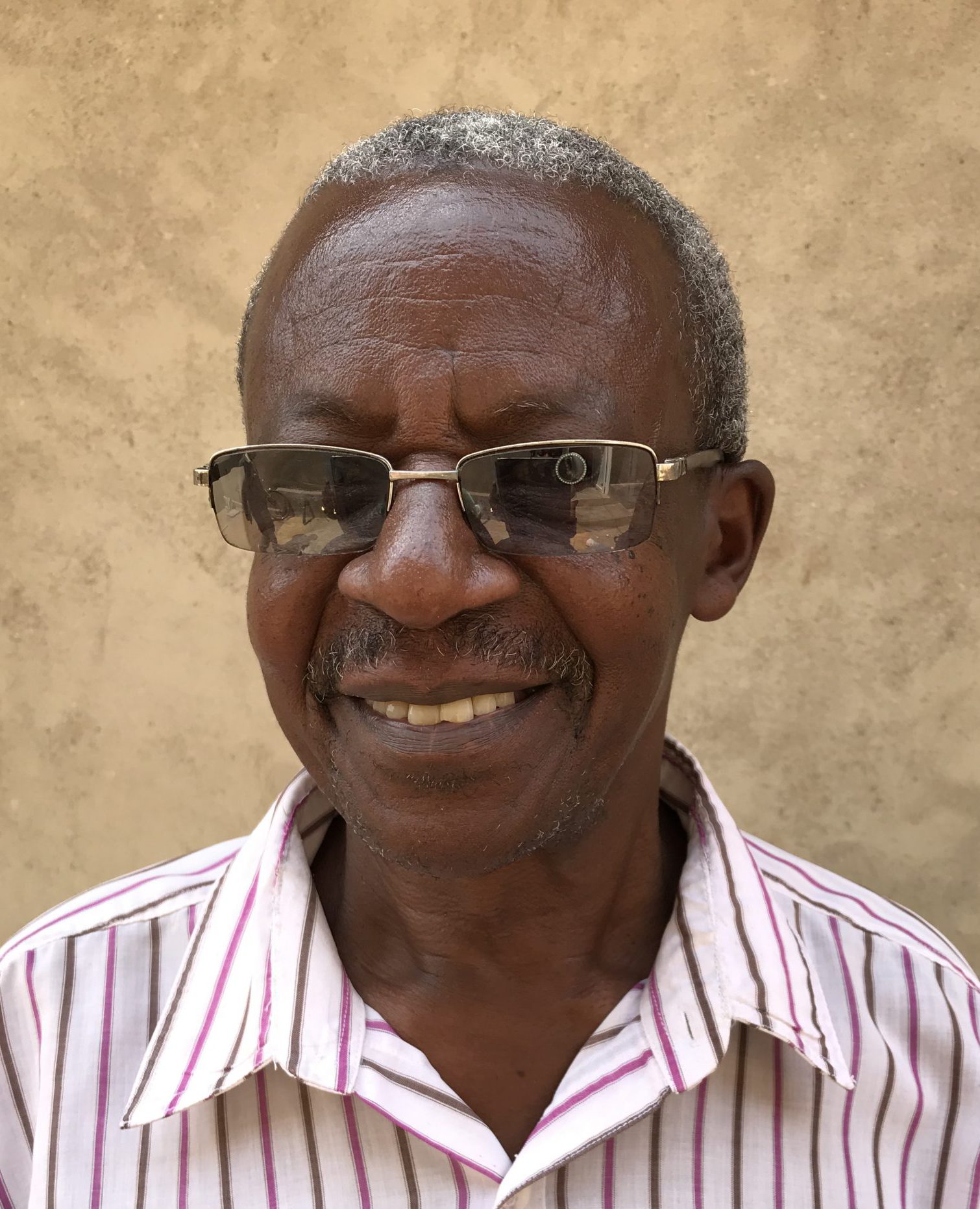
HAKIZIMANA FRANCOIS
CHEF

NYIRANSABIMANA CLAIRE
CLEANER

NSHIMIYIMANA ALBERT
NIGHT WATCH
MANIRAHO JEAN PIERRE
NIGHT WATCH
Discover more about this project:
Le Projet Robeec.
La Ruche Robeec.
Produire Juste.
L’Abeille Rwandaise.
Les plus du projet Robeec.
Les explications des techniques du projet Robeec.
Le Projet Robeec.
La Ruche Robeec.
Produire Juste.
L’Abeille Rwandaise.
Les plus du projet Robeec.
Les explications des techniques du projet Robeec.